Hybrid App Development Company for iOS & Android

We do hybrid app development for product and operations teams who need one build shipped to both app stores with stable releases. Expect hybrid mobile app development services that cover offline flows, secure sign-in, and clean API integrations without doubling your delivery effort.

Plan your Hybrid App With Experts

30-minute free consultation, clear next steps, scope direction

  • 100+ production-grade software builds
  • 11+ years of delivery experience
  • 4 stage delivery software model
  • 5+ year average client partnerships

Trusted By Growing Businesses & Enterprise Teams

We build cross-platform apps and digital platforms that make money, save time, or reduce operational costs through cleaner workflows and better data flow.


Hybrid App Development Company for release-ready mobile builds

When you need iOS and Android live at the same time, delivery speed and consistency matter as much as features. A hybrid approach can be the right fit when you want one product experience, shared logic, and predictable releases without running two separate codebases.

This hybrid app development service works best when your roadmap needs frequent iteration, stable integrations, and a clear path to app store delivery. The goal is simple: ship faster with confidence, and keep future change costs under control.

Use Cases

  • You need one app shipped to both stores with shared UX and logic
  • Offline flows and sync are required for field or operational use
  • You want faster iteration cycles without maintaining two teams
  • Integrations with your APIs, CRM, ERP, or internal tools are central
  • Release stability, monitoring, and long-term maintainability matter
Discuss your current setup

Scope options + budget range

Hybrid Mobile App Development Services

As a hybrid mobile app development company, we help UK teams ship apps that feel native to users while staying practical to build and maintain. We focus on product clarity, reliable architecture, and the delivery controls that keep releases stable over time.

Customer-Facing Mobile Apps

Account, ordering, booking, and membership apps with secure auth, payments where needed, and analytics built in for iteration.

Field & Operations Apps

Offline-first workflows, data capture, task flows, and sync patterns designed for teams working on the move with real-world connectivity.

Companion Apps for Platforms

Mobile layers for existing portals and SaaS platforms, including API integration, role-based access, and release-ready store packaging.

Explore build options

Delivery path in one call

What you get with hybrid mobile app development

If you are comparing a hybrid mobile application development company, the difference is usually delivery discipline: architecture clarity, release readiness, and maintainable change over time.

  • Cross-platform architecture planning
  • App UX flows and navigation design
  • Design system and reusable components
  • API integration and data modelling
  • Offline caching and sync patterns
  • Secure authentication and session handling
  • Role-based access and permissions
  • Push notifications and messaging
  • Payments and subscription flows
  • Device features and permissions
  • Analytics events and funnel tracking
  • Crash reporting and stability monitoring
  • Performance profiling and optimisation
  • Automated testing strategy
  • CI/CD build and release pipeline
  • App Store and Play Store submission
  • Security hardening and data protection
  • Post-launch support and iteration

Our Process for Hybrid Mobile App Development

A clear, proven delivery model

Discovery, Scope & Architecture

Align outcomes, constraints, and the fastest path to a stable first release.

We confirm your app goals, user journeys, data flows, and integration needs, then map a delivery approach that fits your release timeline and operating model.

  • Scope and feature priorities agreed
  • Architecture and integration approach mapped
  • Release plan and milestones drafted
  • Budget range and delivery options outlined
Review the plan

30-minute call, plan + next steps

UX, Prototype & Validation

Make the experience clear before build, so delivery stays predictable.

We prototype key screens and flows, validate edge cases, and align UI patterns so the hybrid build feels consistent across devices.

  • User flows and key screens prototyped
  • Component patterns and states defined
  • Acceptance criteria agreed
  • Build backlog prepared for delivery
Sense-check scope

30-minute call, scope + actions

Build, Integrate & Stabilise

Ship working increments with the delivery controls that keep releases stable.

We implement app features, integrate APIs, set up environments, and apply quality gates so you can release confidently and iterate without rework.

  • Core features built in increments
  • API integrations and data sync implemented
  • Testing and stability checks applied
  • Release pipeline prepared
Validate readiness

30-minute call, build sequence

Launch, Monitor & Improve

Go live with clean store submission and a practical post-launch plan.

We handle store release steps, monitoring, and iteration planning so your app stays stable while features continue to improve.

  • Store submission and release checklist
  • Monitoring and crash reporting configured
  • Post-launch iteration cadence agreed
  • Support approach and handover defined
Confirm next steps

30-minute call, launch plan

Our Partners & Recognitions

Industry partners and independent recognition

Our Engagement Models

Choose the commitment level that matches your timeline and delivery needs.

Clarity Review Sprint

Scope direction + next steps

A short engagement to align outcomes, constraints, and the most sensible path to a first release with a practical plan.

  • Scope direction note
  • Architecture approach overview
  • Budget range and options
  • Next steps and timeline routes
Get a quote

Build & Launch

Phased delivery engagement

End-to-end hybrid app delivery from validated scope to store release, built in increments with clear checkpoints.

  • Milestones and releases
  • Design, build, and integrations
  • Quality gates and stability
  • Store launch readiness
Build your team

Support & Iteration

Ongoing releases and improvements

A delivery partner model for post-launch improvements, performance work, and roadmap releases with a steady cadence.

  • Release cadence planning
  • Bug fixes and improvements
  • Monitoring and stability
  • Roadmap support
Extend your team

Senior Advisory

Decision support for architecture, delivery governance, and risk trade-offs across releases, integrations, and long-term maintainability.

Get Your Hybrid App Project Plan

Share your goals and must-have features. We'll map scope options, a budget range, and the fastest path to a stable first release.

Review my plan

30-minute call, plan + next steps

What clients say about Webdigita

Long-term partnerships built on clarity, quality, and consistent delivery.

Frequently Asked Questions

Decision-led answers for hybrid app scope, delivery, and post-launch support.

What is the estimated total cost to build a hybrid application?

The cost depends on scope, integrations, offline needs, and release readiness, not just screen count. Most budgets change based on authentication, payments, data sync complexity, admin tools, and testing depth. A good estimate comes from mapping user flows, data objects, and non-functional needs (performance, security, stability) into a phased plan.
The biggest cost drivers are integration complexity, offline sync, and quality gates for stable releases. Features like role-based access, payments, push notifications, device permissions, analytics, and automated testing increase effort. Long-term maintainability also matters, especially if you need frequent releases and multiple environments (dev, staging, production).
Choose hybrid when you want one product delivered to iOS and Android with shared logic and consistent UX. Native can be better when your app relies heavily on platform-specific performance, complex animations, or deep device integrations. The right choice is usually clear once you map critical flows, offline needs, and long-term release cadence.
Yes, a well-built hybrid app can feel native when UX patterns, performance, and device behaviours are handled properly. The key is designing for mobile-first flows, using reusable components carefully, and testing on real devices early. Performance work and proper state management usually make the biggest difference to perceived quality.
We choose the framework based on your goals, integration needs, and long-term maintainability requirements. The decision typically balances performance, team skills, third-party library maturity, and release tooling. In the consultation, we can recommend a best-fit approach once we understand your app flows and constraints.
We design a clear integration contract and data model, then build the app around predictable sync and error handling. This includes authentication, retries, offline caching where needed, and safe state updates. If your APIs are still evolving, we can also propose a phased integration plan so releases stay stable.
Yes, we can include UX flows, prototypes, and a reusable component approach as part of the build plan. This reduces rework and keeps development predictable because the interaction states are defined upfront. If you already have designs, we can validate them for mobile feasibility and release requirements.
We use a layered QA approach that combines device testing, regression checks, and release readiness gates. This typically includes critical path tests for your main flows, performance checks, crash reporting setup, and store submission validation. The aim is fewer surprises during release and faster iteration after launch.
Yes, we support store submission, release checklists, and the operational steps required to go live. This includes build signing, versioning, store listing requirements, and stability checks. We also plan monitoring so you can respond quickly to crashes or unexpected behaviour after release.
After launch, we agree an iteration cadence that covers improvements, bug fixes, performance work, and roadmap releases. This usually includes monitoring, crash reporting review, and a structured release process. The goal is to keep the app stable while continuing to improve features based on real usage.
Yes, starting with an MVP is often the fastest path to a stable first release and real user feedback. The key is choosing a scope that is production-ready, not a throwaway prototype. We help define the minimum set of flows, integrations, and quality gates so future releases stay straightforward.
Look for clear scoping, release discipline, and evidence of stable delivery habits, not just feature lists. A good partner will talk about integration contracts, testing gates, monitoring, and how change is managed over time. You should also expect a phased plan with milestones, not a single vague timeline.

Want a clear hybrid app plan before you build?

Share your goals and must-have features. We will map scope options, a budget range, and next steps for a release-ready first version.

Get a free consultation

Get your mobile app idea properly planned

Talk with a specialist.

Scope, budget range, next steps.

    Ideal if you are planning a first release, rebuild, or roadmap sprint in the next 60-90 days.

    What happens after you get in touch

    • 1An expert contacts you after reviewing your goals, constraints, and current tools;
    • 2If needed, we sign an NDA to protect sensitive workflows, customer data, and IP;
    • 3We propose a phased plan with scope, milestones, estimates, and a clear ROI path.

    Trusted By

    • Phrism Solutions LTD
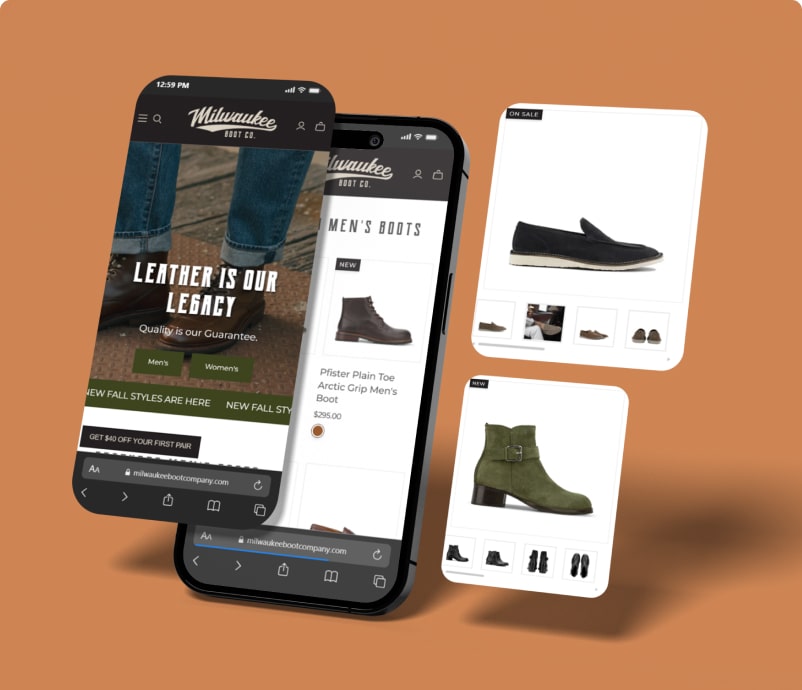
    • Milwaukee Boot Co.
    • Sting
    • Illumin8
    Need help? Talk to experts